
When the Color You Want Can’t Be Matched
You find the perfect color. It fits the collection, works with the palette, and gets approved by design. Then it reaches the supplier, and they can’t match it even after multiple attempts.
The problem may not be the supplier. The color itself may not be feasible.
What makes a color unfeasible?
A color is feasible when it can realistically be reproduced on the intended material within the required tolerance and technical specifications.
Basically, not every color can be achieved on every material. Some situations are unfeasible.
The substrate, dyestuff, process conditions, and materials all influence what can actually be produced. A shade that looks great on screen, on a different material, or even exists as a physical color standard, may fall outside what the selected material and coloration process can reliably reproduce.
When that happens, suppliers may spend multiple rounds trying to reach a target that was unrealistic from the beginning. What if you knew in advance which colors will fail?
The cost of starting with the wrong color
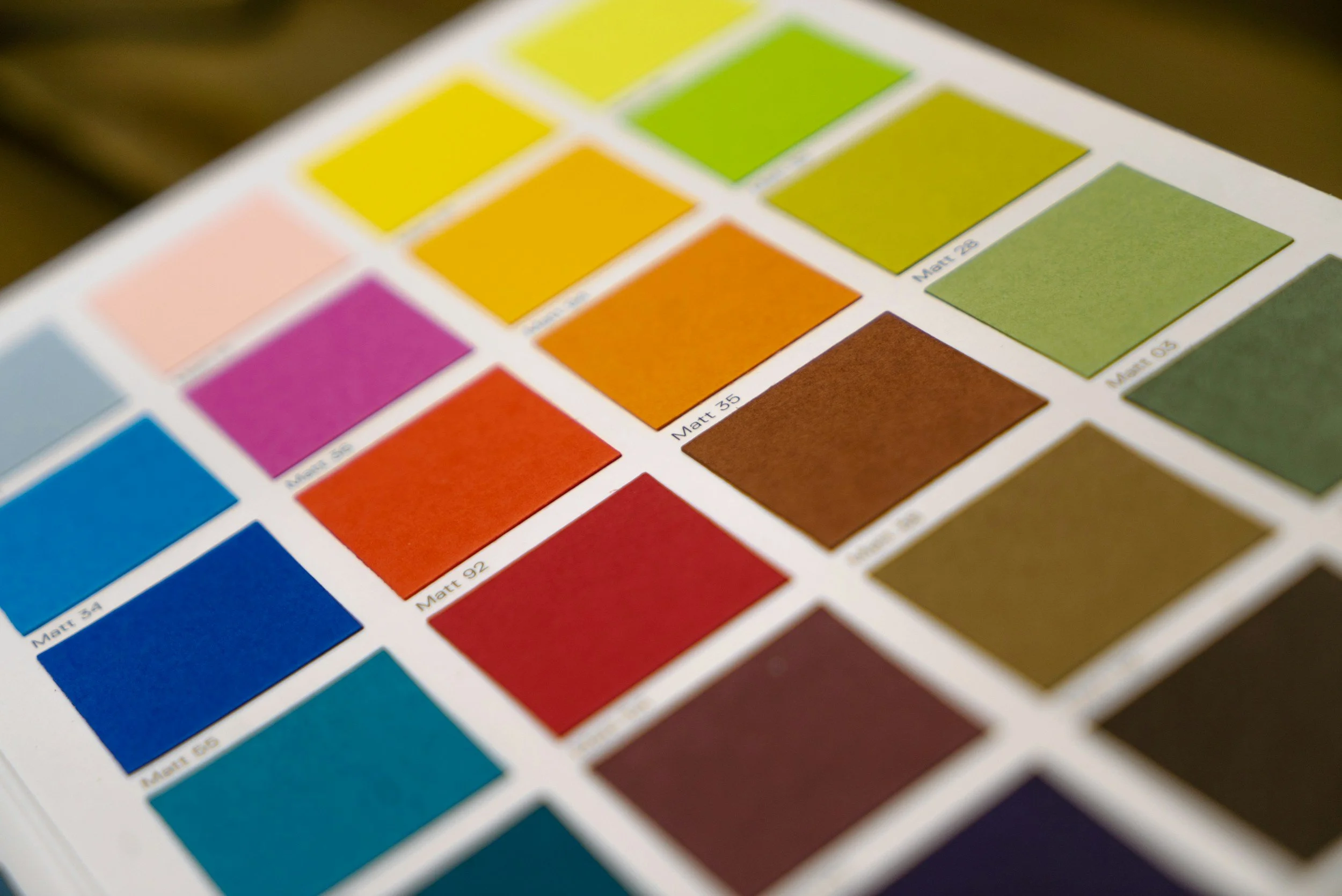
An unfeasible color creates a waterfall effect of cost and development issues.
More lab dips. More corrections. More communication between brands and suppliers. Longer lead times. And eventually, the brand may have to compromise on the original color.
What if feasibility was considered before the color was selected?
Instead of choosing a color first and asking the supply chain to figure out how to make it later, designers can begin with colors that have already been evaluated for feasibility. natific has a couple of solutions to help you do this:
VooDoo feasibility software analyzes your color standards and tells you the risks based on your actual parameters and materials.
The natific Virtual Color Library (nVCL) contains more than 17,000 shades that are pre-vetted for feasibility. This gives designers a starting palette built around colors that can realistically move from digital selection into production.
What does poor feasibility look like? Let’s look at an example:

A brand came to us with a shade of dark brown that the supplier was having trouble achieving it on the polyester material the brand specified. We ran it through our VooDoo software and found that this color was unfeasible on polyester, polyamide, and cellulosics. No matter what the supplier did, they would never match the color on those materials.
If this analysis had been done at the start, or if the brand had been able to select a feasible standard, they could have gone from color inspiration to production with no delays. Our analysis takes into consideration the actual brand specifications for quality, fastness, substrate, metamerism, and more. Other feasibility reports only contain predictions for the most commonly used materials.
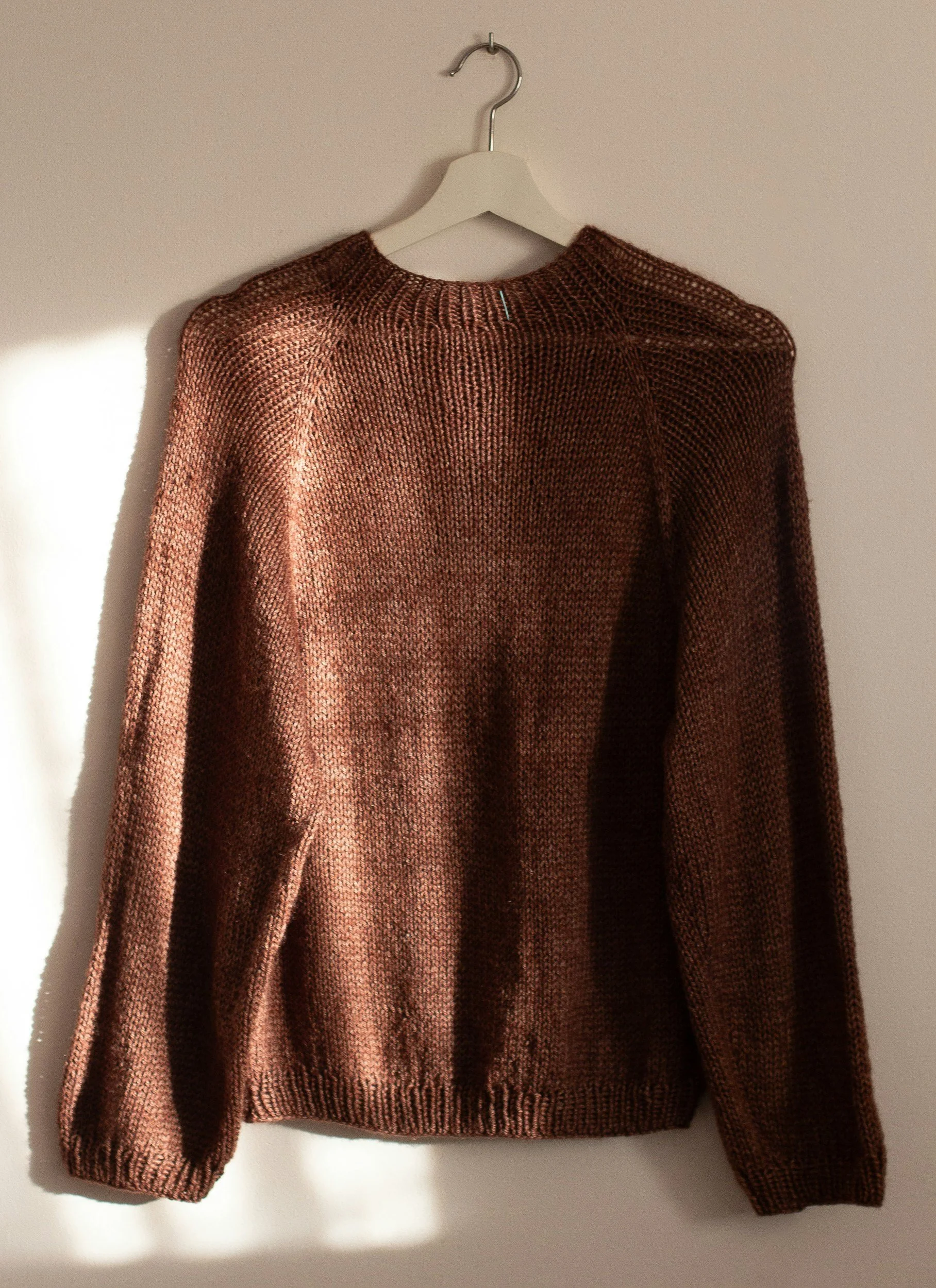
This is where feasibility data becomes useful. A color standard may look perfectly valid in isolation, but evaluating it against real production parameters can reveal how achievable those targets actually are.
Solve the problem before sampling starts
You don’t have to start with an impossible target. Starting with feasible colors means giving designers more information at the point where their decisions have the greatest downstream impact.
For brands with an existing color library, natific's Voodoo Feasibility software can evaluate colors based on specific parameters and provide a feasibility report. We can also provide a natific Optimized Spectral Curve (nOSC) to make those challenging shades more achievable.
Or, brands can select a color from the 17,000+ available shades natific Virtual Color Library (nVCL) and be confident in its feasibility from the start.
Choose colors that are designed to make it to production, not just onto the mood board.