Digital Color Standards vs. Physical Color Standards
Which Makes More Sense Today?
For decades, physical color standards have been the foundation of color communication throughout the textile and apparel industry. They're familiar, tangible, and deeply embedded in existing workflows.
But as digital product creation has become the norm, many teams are asking an important question:
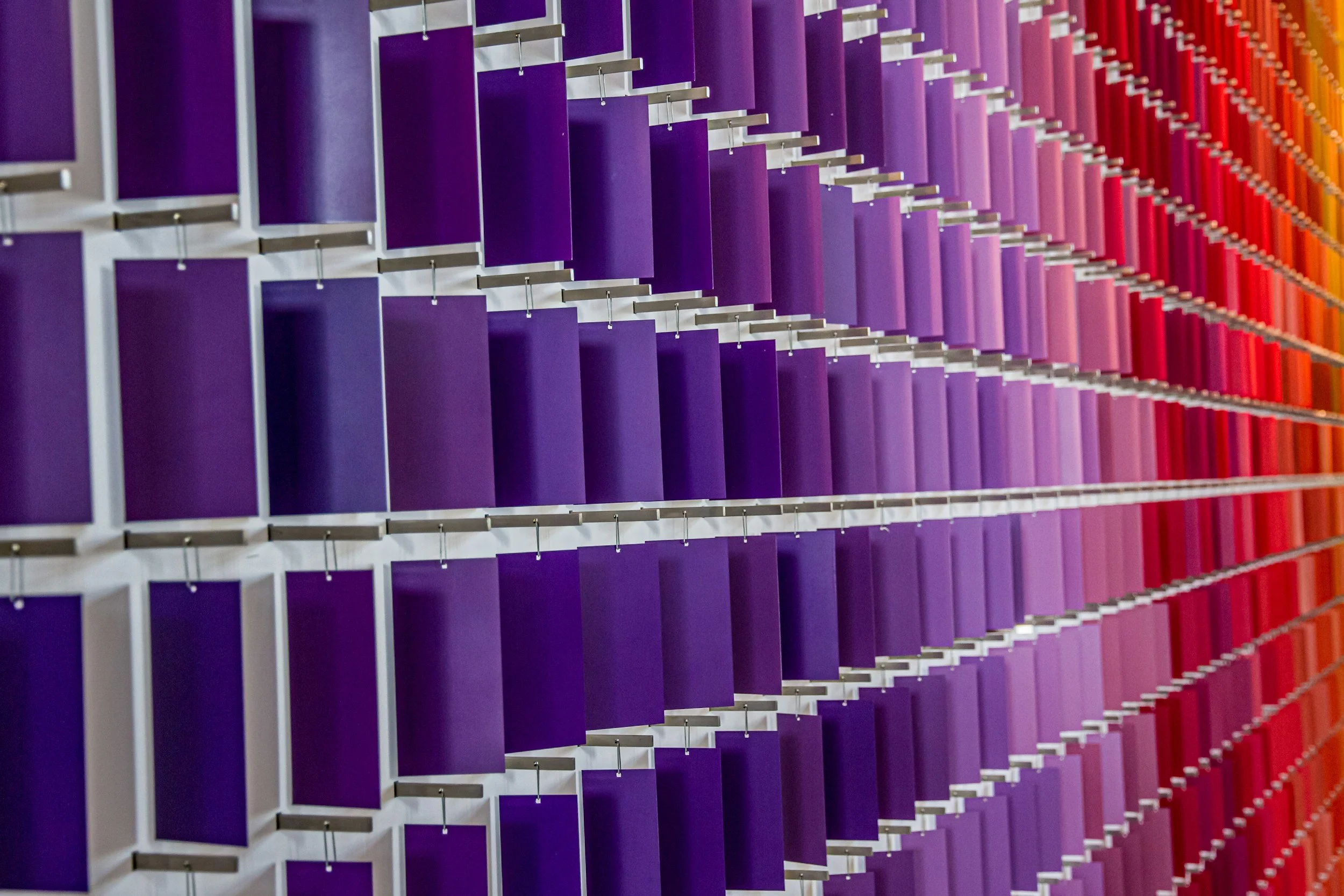
Do physical standards still offer the most efficient way to communicate color?
The challenge with physical standards
Physical color standards have served the industry well, but they also come with practical limitations.
They need to be manufactured, shipped, stored, and eventually replaced as they age or become damaged. Even when carefully maintained, physical samples can vary slightly between production lots or change over time due to handling and environmental exposure.
For global supply chains, these challenges translate to longer development lead times and extra spending.
Why digital standards are different
A digital color standard is the spectral data of that color. It’s consistent, measurable, and shareable.
Using digital data eliminates questions about sample condition, shipping delays, or whether everyone is working from the latest version.

Because the data remains unchanged, the standard doesn't fade, wear out, or require annual replacement. The result is greater consistency across design, development, and production.
Better decisions start earlier
One of the biggest advantages of digital standards is that they can move color decisions much earlier in the product development process.
Instead of waiting for physical standards to arrive before evaluating feasibility, designers can begin working immediately with colors that are already defined digitally. This helps reduce uncertainty and allows teams to identify potential challenges before sampling begins.
Earlier confidence often means fewer development iterations and a faster path to production.
The natific Virtual Color Library
The natific Virtual Color Library (nVCL) was built around this digital-first approach.
With more than 17,000 pre-vetted color standards, designers can select shades knowing they've already been evaluated for feasibility. Standards are available for immediate download and can be shared across your supply chain without the logistical or financial challenges associated with physical libraries.
The goal isn't simply to digitize an existing process—it's to create a more connected, accurate, and efficient way to communicate color from design concept through ongoing production.
Interested in learning more about the natific Virtual Color Library? Contact us! We'd be happy to show you how digital color standards can help simplify your color workflow while improving consistency across your supply chain.